The Leucate Lagoon: Where Land Meets Sea
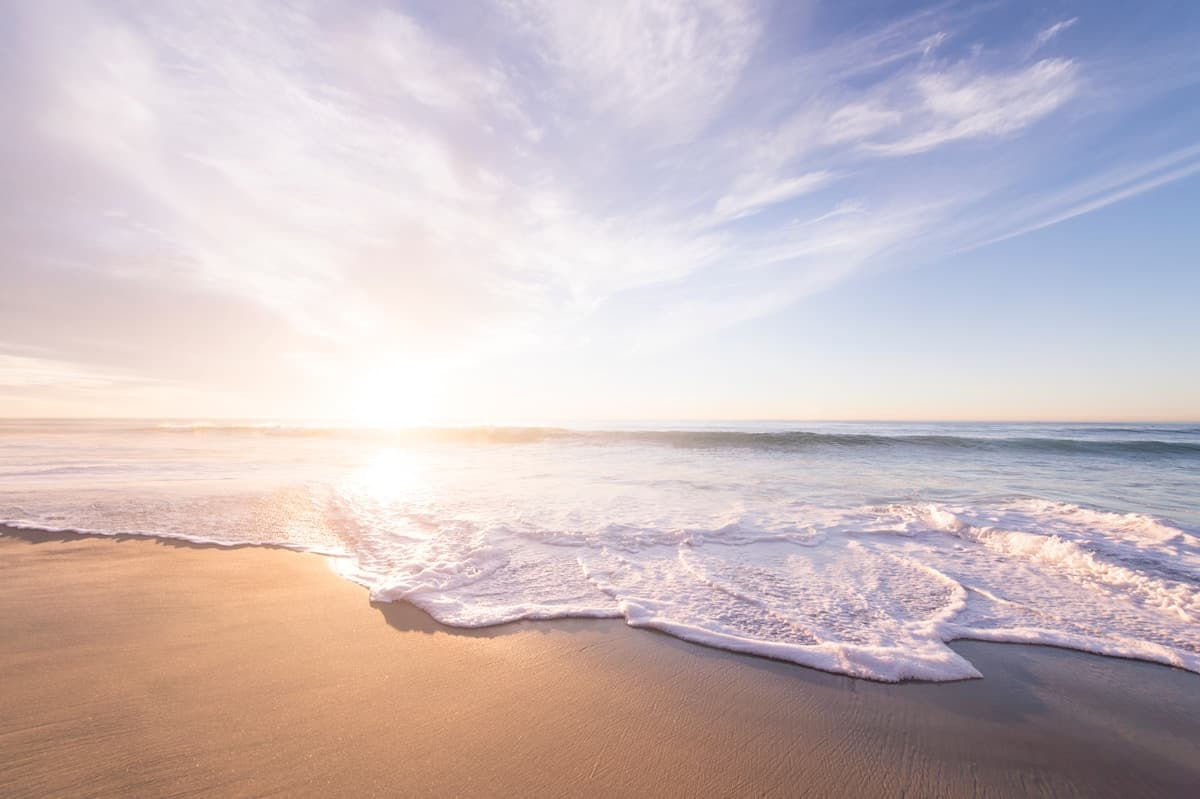
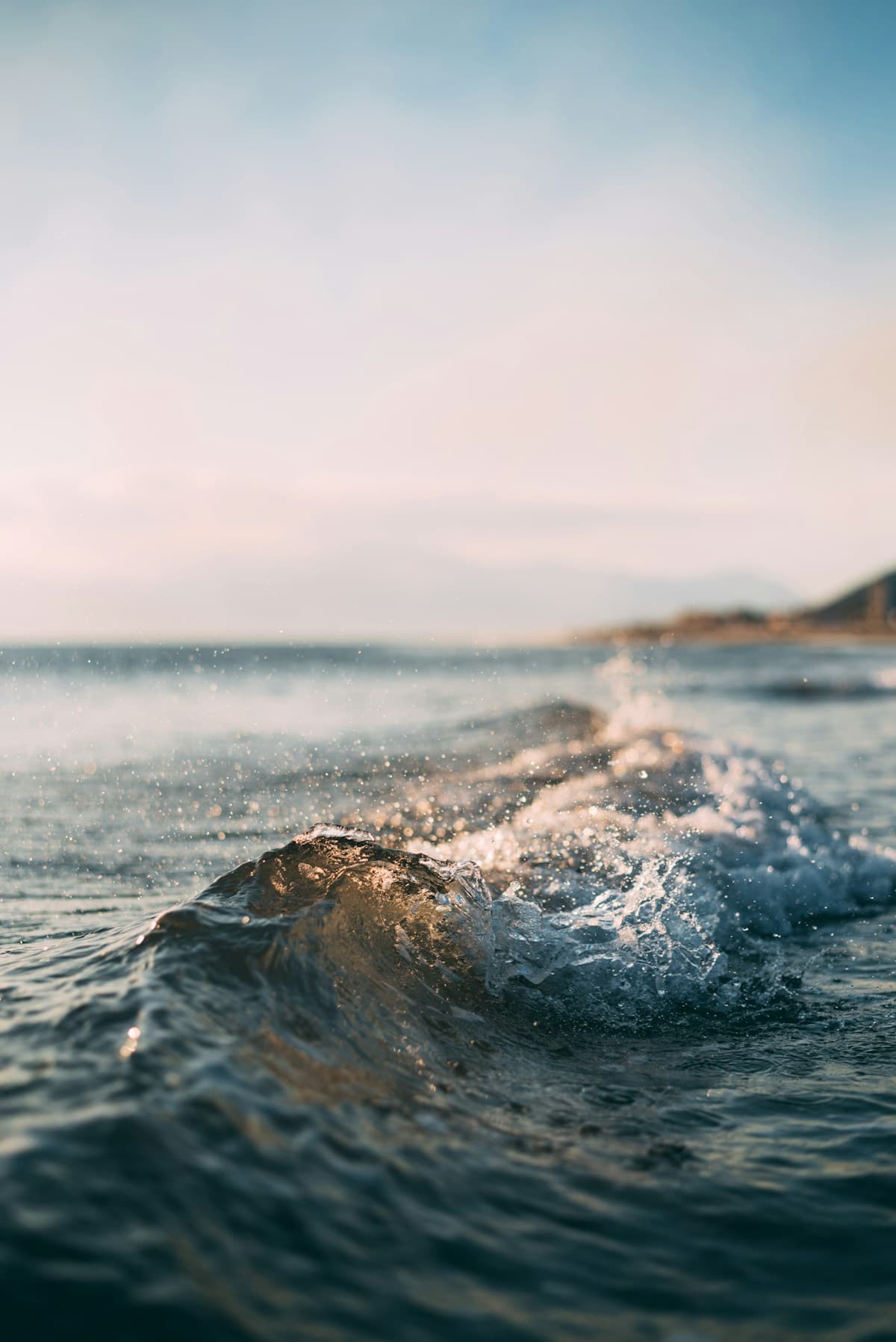
There are places that carry a magic words can barely describe. The Leucate lagoon is one of them. Nestled between the Corbières hills and the Mediterranean Sea, this expanse of water covering nearly 5,000 hectares is the beating heart of our oyster-farming craft.
Every morning, when I step onto the pontoon and watch the sun rise over the lagoon, I know I'm exactly where I belong.
A Unique Geography
The Leucate lagoon — also known as the Étang de Leucate-Barcarès — is a coastal body of water separated from the sea by a thin strip of sand called the lido. What makes this place so remarkable is the subtle blend of seawater and freshwater from underground springs that bubble up from the lagoon's floor. These submarine springs, fed by infiltrations through the limestone Corbières massif, create a rare mineral balance that gives our oysters their distinctive flavor.
300 Days of Sunshine Per Year
The Mediterranean climate plays a fundamental role. With over 300 days of sunshine per year, the lagoon enjoys mild temperatures that encourage the growth of phytoplankton — the essential food source for our oysters. The tramontane, a powerful dry northerly wind, constantly stirs the waters and ensures exceptional oxygenation. It is thanks to this wind that our oysters develop a firm flesh and an intensely briny taste, so different from their Atlantic counterparts.
A Protected Ecosystem
The Leucate lagoon is classified as a Natura 2000 site and is recognized among wetlands of significant ecological importance. It hosts remarkable biodiversity: pink flamingos, terns, seagrass meadows, seahorses... This fragile ecosystem is our most precious asset, and we tend to it with care every single day.
Being an oyster farmer here means being a guardian of natural heritage. I simply follow what nature offers me.
Mediterranean Oysters vs. Atlantic Oysters
Our Mediterranean oysters stand apart from their Atlantic cousins in several key ways:
A Living Terroir
The terroir of Port-Leucate is far more than a production site. It is a story, a community of passionate men and women, a craft handed down through generations. Here, the oyster farms — the *mas* — line the lagoon like sentinels, watching over this Mediterranean treasure.
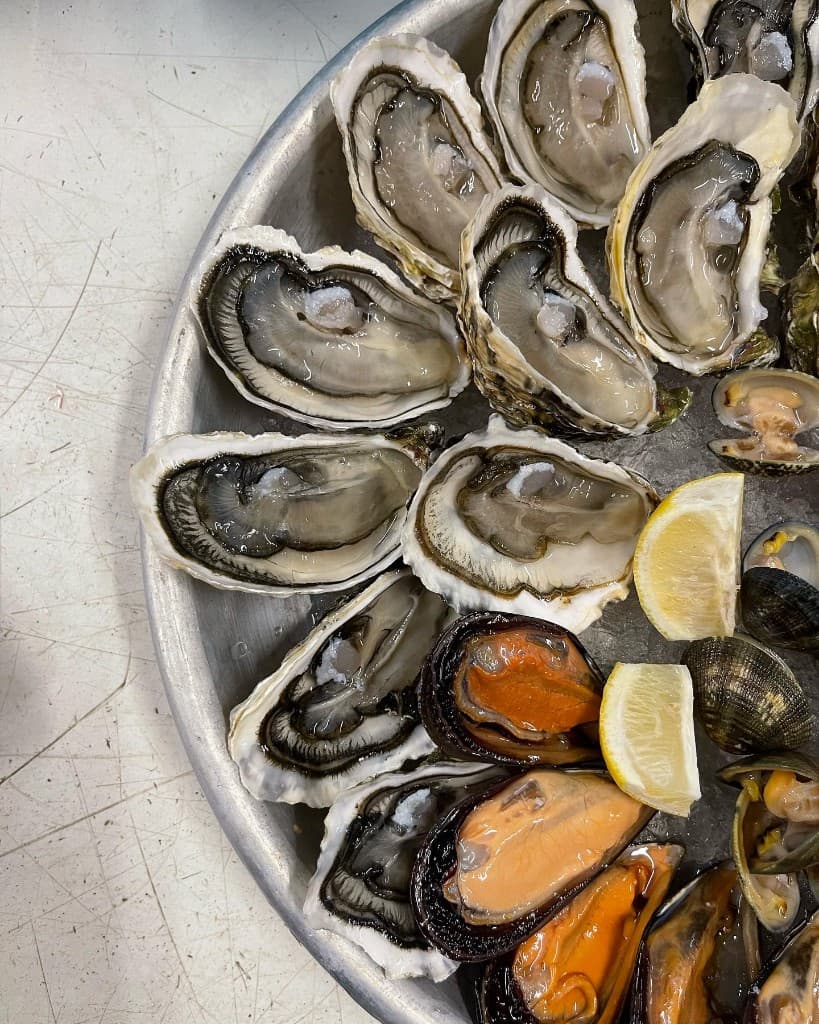
Come discover it for yourself — feet in the water, facing the Corbières hills, an oyster platter in hand.